How to Select the Right Fit for Your Screening Operation
End tension and side tension screens serve the same purpose: to separate and classify material. However, the way they are mounted and tensioned makes all the difference in performance, maintenance, and screen life. Side tension screens are clamped along the side walls of the screen box, secured by tension rails and carriage bolts. This horizontal orientation distributes pressure evenly across the deck, allowing for greater surface contact and enhanced stability when processing heavy or abrasive materials.
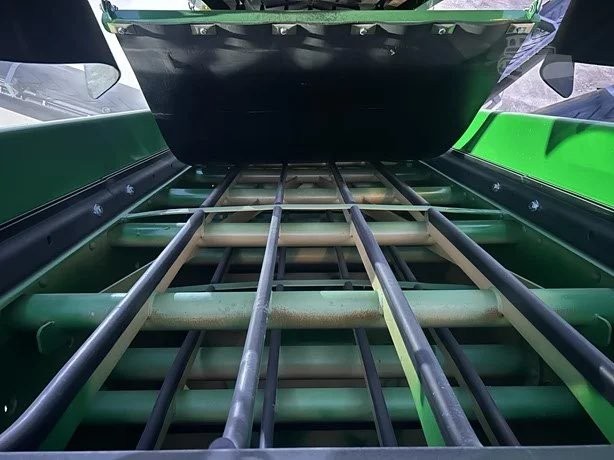
End tension screens, by contrast, are clamped at the ends, running perpendicular to the side walls. The screen is anchored at the bottom with a fixed bar, while the top edge can be pulled tight and secured with bolts, allowing operators to adjust and tension the screen for a cleaner material flow path. With less frame contact, these screens allow lighter or finer materials to pass more efficiently. The choice between the two often depends on the machine’s configuration, but it also has major implications for how material moves across the deck and how the screen holds up over time.
How Tensioning Affects Material Flow and Efficiency
While installation is important, the real determinant of screen performance is effective tensioning. A properly tensioned screen stays flat and taut, ensuring consistent vibration and even material movement across the surface. If a screen is too loose, it flexes and sags, causing material to settle into the openings instead of flowing through them. This leads to reduced throughput and premature wear. Overly tight tensioning can be just as problematic, potentially tearing the screen or damaging the frame.
Side tension screens, with their increased contact points along the deck frame, are particularly well suited for heavier, high impact materials such as crushed stone, gravel, and aggregates. Their design helps absorb vibration and resist the abrasion that comes with handling coarse material. End tension screens, on the other hand, create a smoother and faster material trajectory. With fewer obstructions in the flow path, they’re ideal for fine, lightweight, or high speed applications where precision and output consistency matter. Industries like food processing, mulch, topsoil, and recycling all benefit from this setup.
Two of the most common issues in screening, are pegging and blinding, which can often be traced back to poor tensioning. Pegging occurs when larger particles wedge into the screen openings, while blinding happens when fine particles build up and clog the mesh. When screens are loose, they flex under vibration, giving material a chance to settle and plug openings. A properly tensioned screen, however, vibrates uniformly, shaking loose lodged particles before they can build up. In this sense, good tension acts as a self cleaning mechanism, keeping the screen surface open and extending the time between cleanings. Because tension plays such an important role in performance, regular maintenance is critical. After initial installation, operators should retighten bolts once the screen has run for a few hours, since new screens often loosen slightly during break in. Doing so not only improves throughput but also extends the life of the media, preventing both unnecessary wear and unplanned downtime.
Maintenance, Replacement, and Ease of Handling
Maintenance time and accessibility can heavily influence which tensioning method makes sense for a particular operation. With end tensioned screens, only one end needs to be unbolted during a changeout, allowing for faster turnaround. This simplicity is a key advantage in industries where production schedules demand frequent screen swaps to accommodate different material sizes or cleanliness requirements.
By contrast, side tension screens require disassembling the side rails. While this is a more time consuming process, the tradeoff is durability. The additional contact and clamping surface make them far more secure in high impact environments, such as mining or aggregate plants. These are typically stationary operations that prioritize long term wear life and stability over changeout speed.
Selecting between side and end tension screens often comes down to the type of material and the operational goals. In heavy duty applications like aggregate or mining, where throughput and abrasion resistance are key, side tension screens provide the sturdiness needed to handle bulk material and constant vibration. These screens also tend to be used in larger, stationary units with extensive clamping area, ensuring stability under intense load.
In contrast, end tension systems thrive in setups that require speed, precision, or compact design. Their smaller footprint allows for multiple decks to be stacked vertically, making them ideal for plants with limited space. They are common in portable or modular screening units that need frequent reconfiguration, as well as in industries where the material characteristics, lighter weight, finer particles, or moisture content, favor smooth, uninterrupted flow.
Material, Alloy, and Hook Style Options
The choice of screen material and hook style further refines performance. In wet or corrosive environments, stainless steel offers superior resistance and promotes smoother material flow, while high carbon steel is preferred for its hardness and wear life, as its abrasion resistance is roughly two and a half times stronger than stainless steel. Hook styles vary by machine type and manufacturer. The C-style hook remains the most popular for both side and end tension configurations. The correct hook profile ensures proper fit, tension distribution, and minimal risk of slippage during operation. For producers replacing screens in existing setups, matching hook type and alloy to the machine’s design and material stream ensures optimal performance and longevity.
For decades, Compass Wire Cloth has helped producers make these material and design decisions with confidence. Founded in 1982, Compass is a leading U.S. manufacturer of high quality screen media for aggregate, mining, recycling, and industrial applications. The company’s in-house fabrication capabilities, responsive lead times—including expedited options to deliver custom solutions on a 24-hour basis when production schedules demand urgent turnaround—and knowledgeable team allow producers to minimize downtime and maximize throughput. From stainless and high-carbon wire cloths to specialty alloys such as Inconel and Monel, as well as synthetics, nylons, and polyurethane or rubber panels, Compass delivers tailored solutions for both end tension and side tension systems. Their commitment to precision and partnership ensures every screen is engineered to perform reliably, no matter the material or operating environment. Beyond providing reliable products, the team is known for a problem-solving mindset, engaging directly with producers to understand unique operational challenges and provide solutions tailored to their process.
Understanding Performance and Uptime
Achieving consistent screening performance depends on more than choosing between end or side tension; it requires understanding how tensioning, material selection, and maintenance work together to influence throughput and screen life. Side tension systems deliver strength and stability under heavy, abrasive loads, while end tension designs excel in faster, more precise applications. Both can perform exceptionally when properly installed and regularly retightened to maintain uniform tension across the deck.
In practice, producers often refine these choices over time, balancing production speed, wear life, and ease of maintenance according to their process needs. The most effective screening setups are those that pair the correct tensioning method with the right alloy, hook profile, and vibration pattern for the material being processed.
This results-oriented approach ensures every customer gets the most out of their screen media investment, reducing unplanned downtime and increasing overall throughput.
Ultimately, optimizing a screening operation comes down to understanding how every variable, such as tensioning method, screen material, hook style, and maintenance practice, interacts within the broader process. End tension and side tension screens serve distinct purposes, but both can deliver exceptional results when properly tensioned, correctly matched to the application, and regularly maintained. Producers who approach these factors as an integrated system rather than isolated choices will see the greatest gains in efficiency, screen life, and product consistency turning precision tensioning into a long term advantage for their operation.
About the Author
David Gentilini is the Chief Sales Officer and VP of Business Development at Compass Wire Cloth